Selection is only the threshold. Deep architectural know-how allows us to dissect licensing parameters, optimize construction costs, and integrate tailored systems that respect and elevate the original build.
Like alchemy for the built environment, we turn overlooked space into prime value by knowing exactly where to intervene, how to restore, and when to evolve.
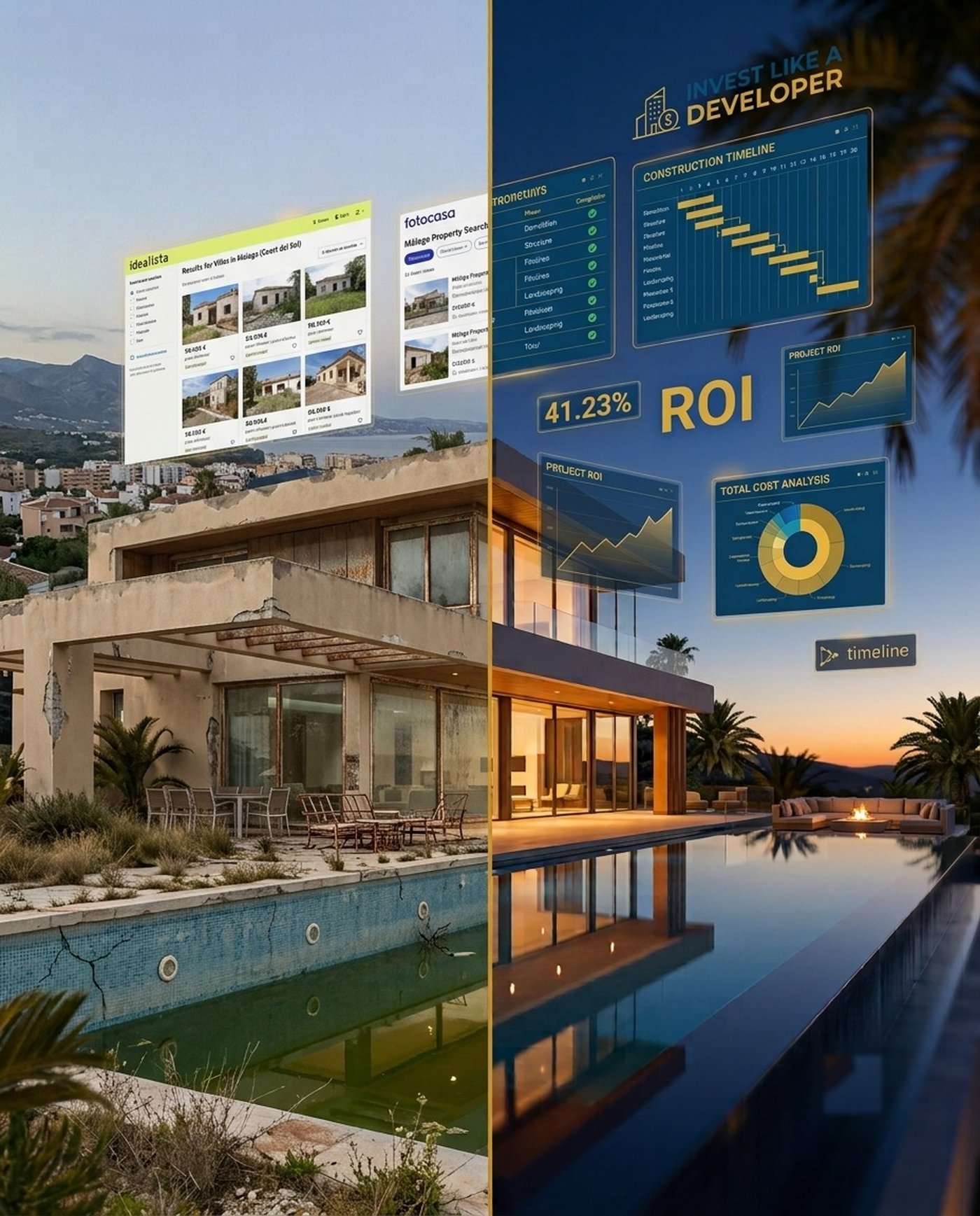
We hunt for mispriced assets with asymmetric upside. We combine urban intelligence, legal insight and price dynamics to see future value before the market prices it in.


We turn transformation into value. And value into profit.
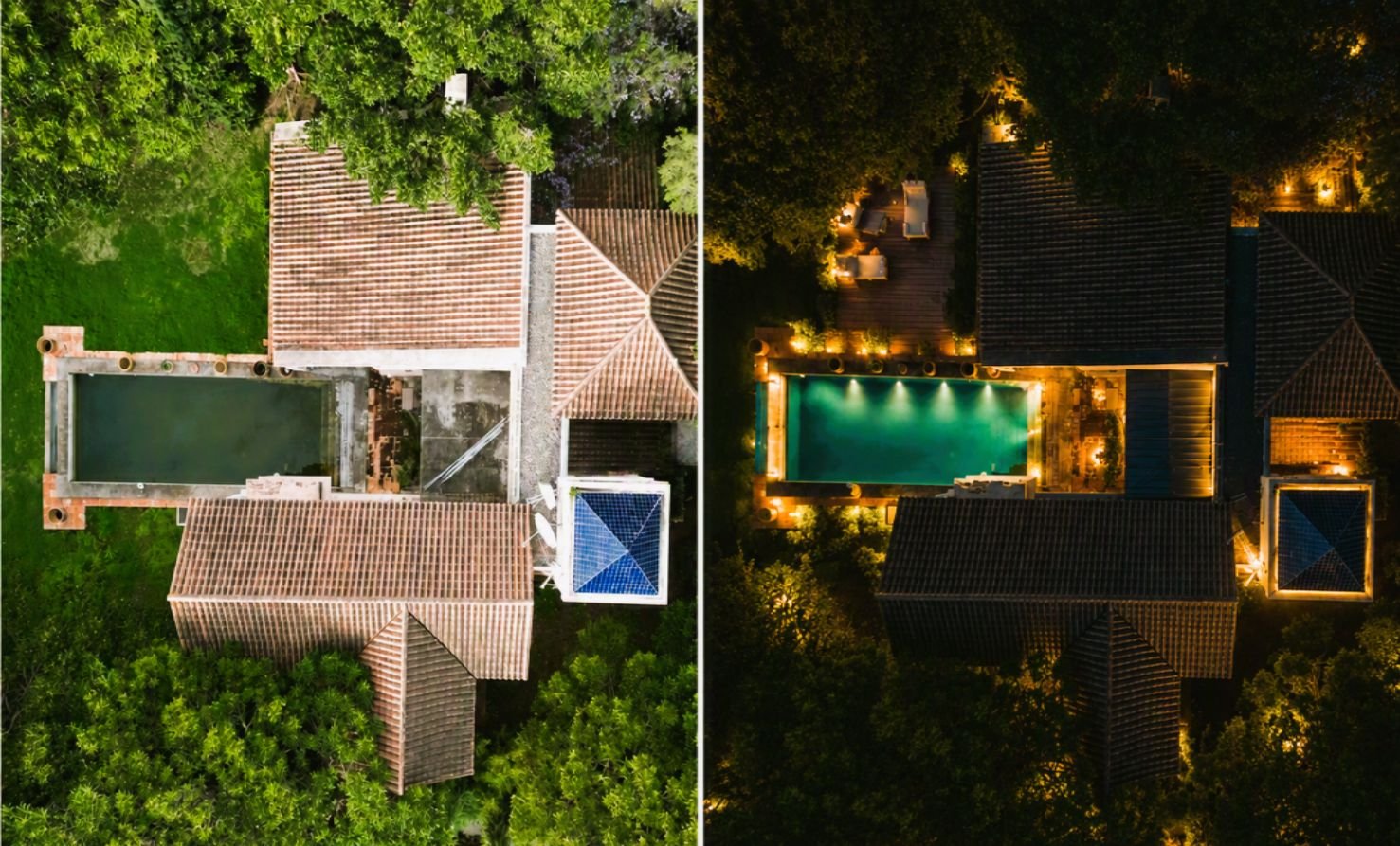
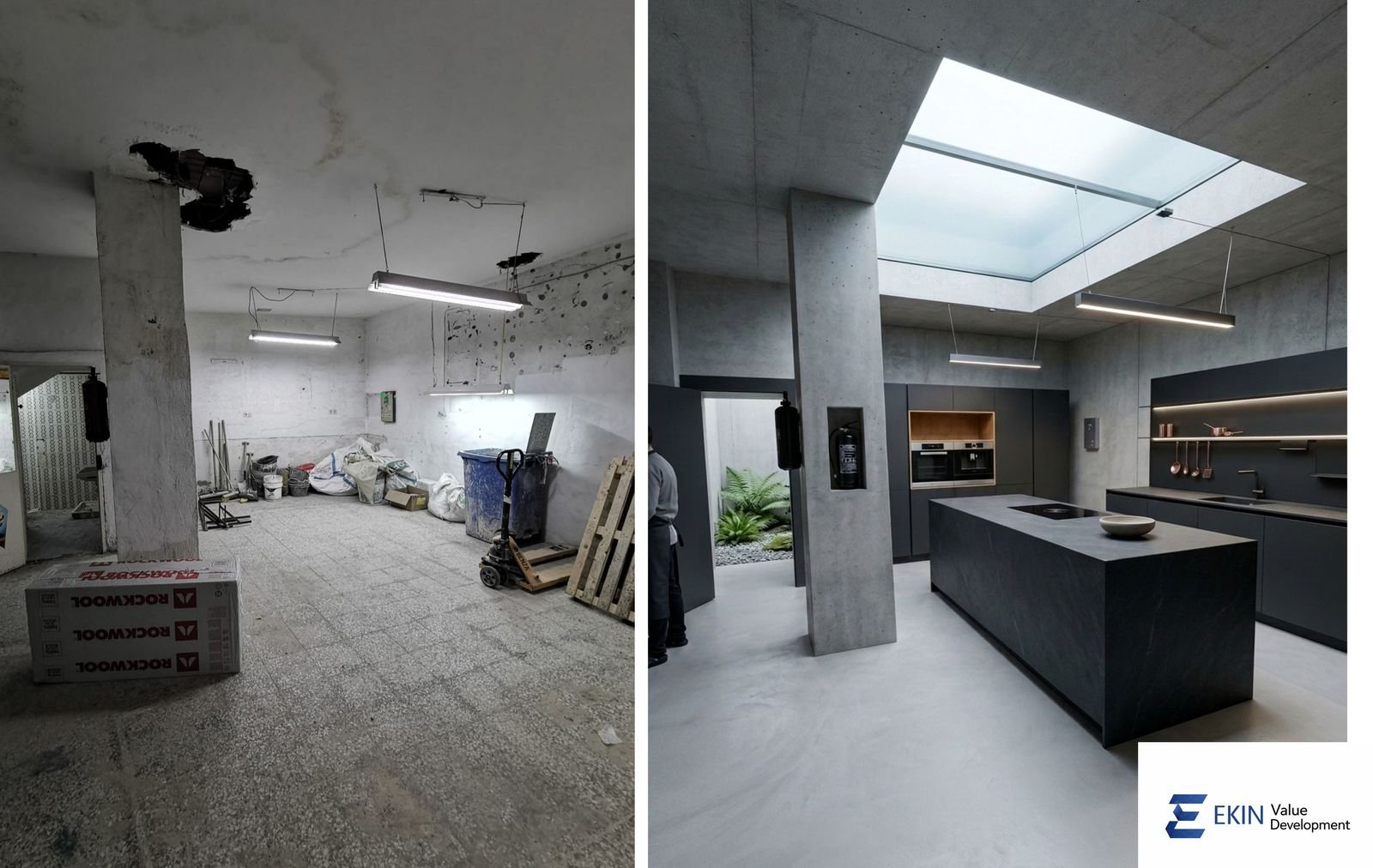
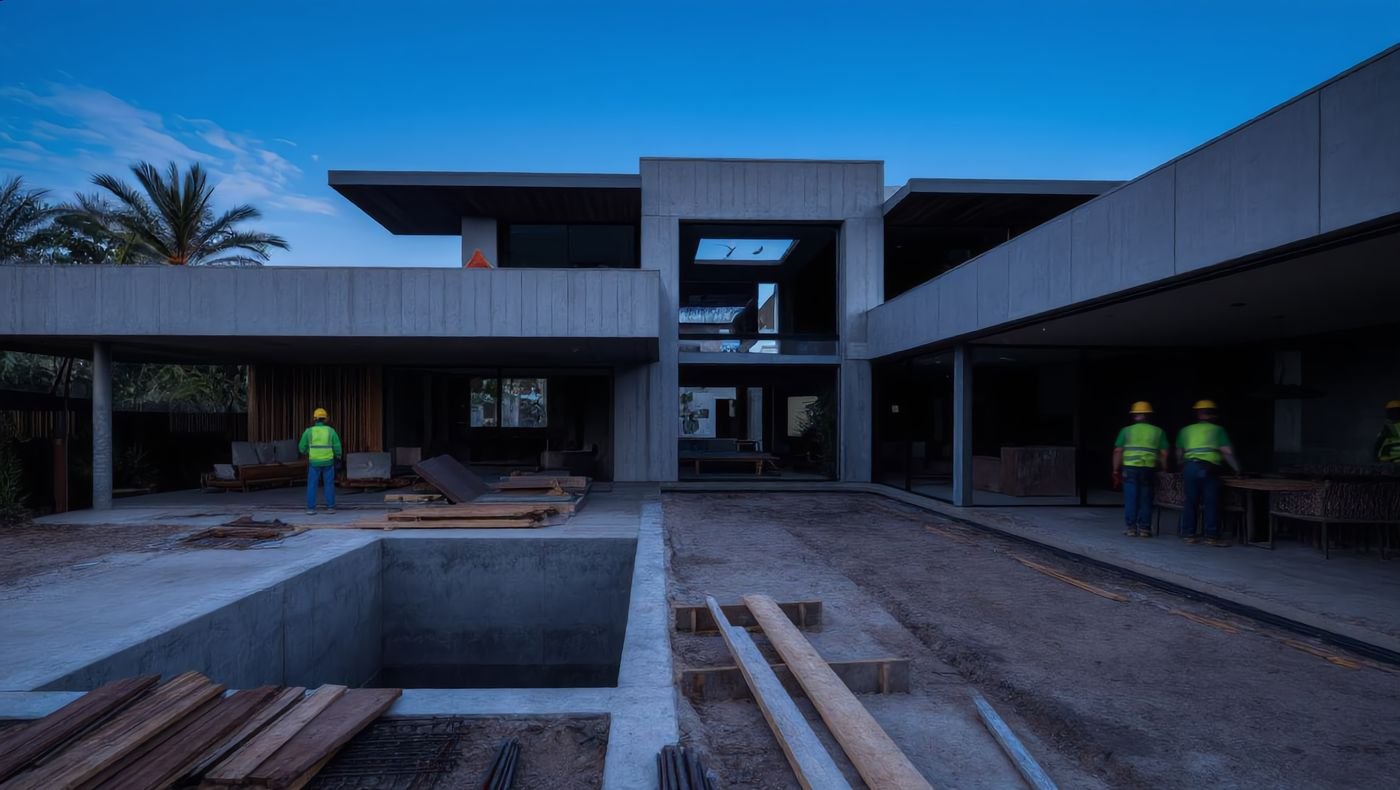
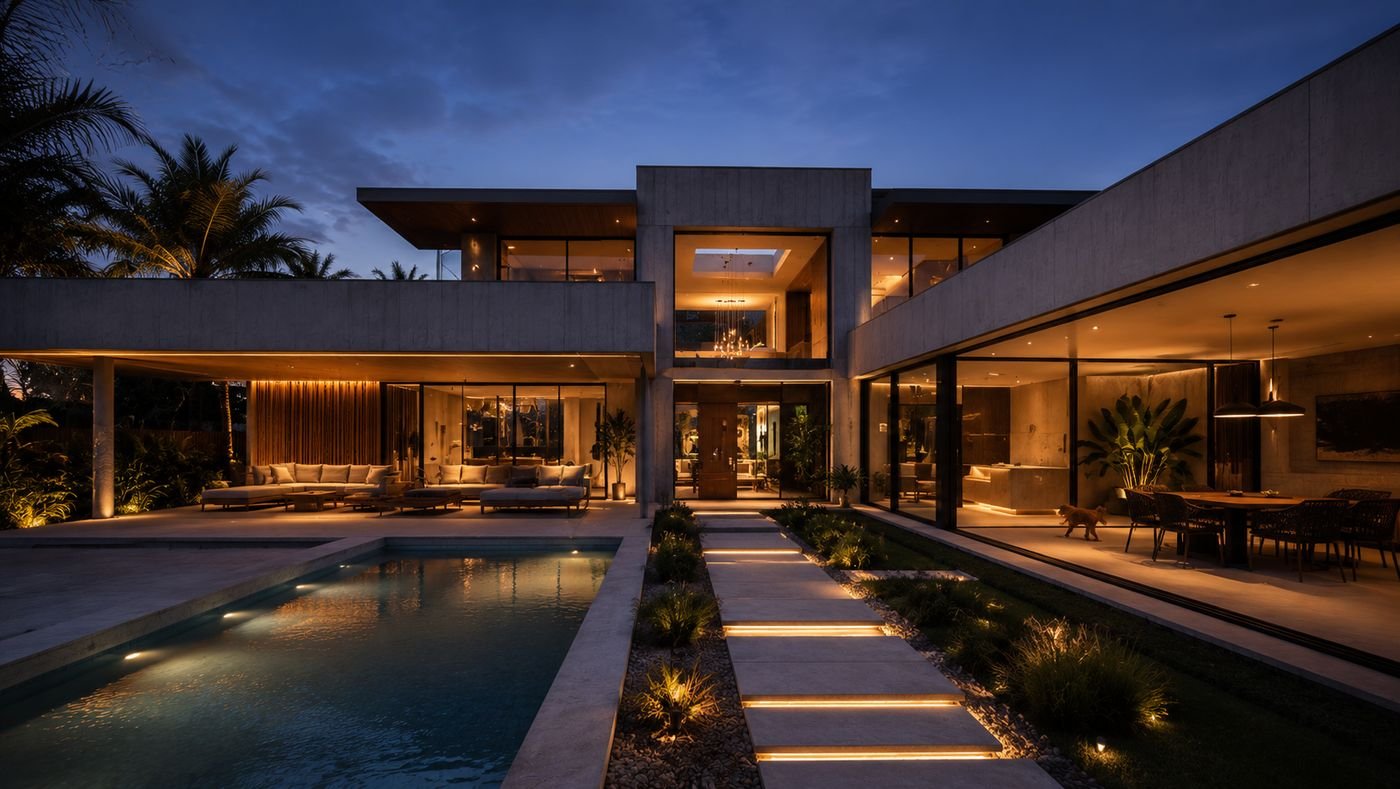
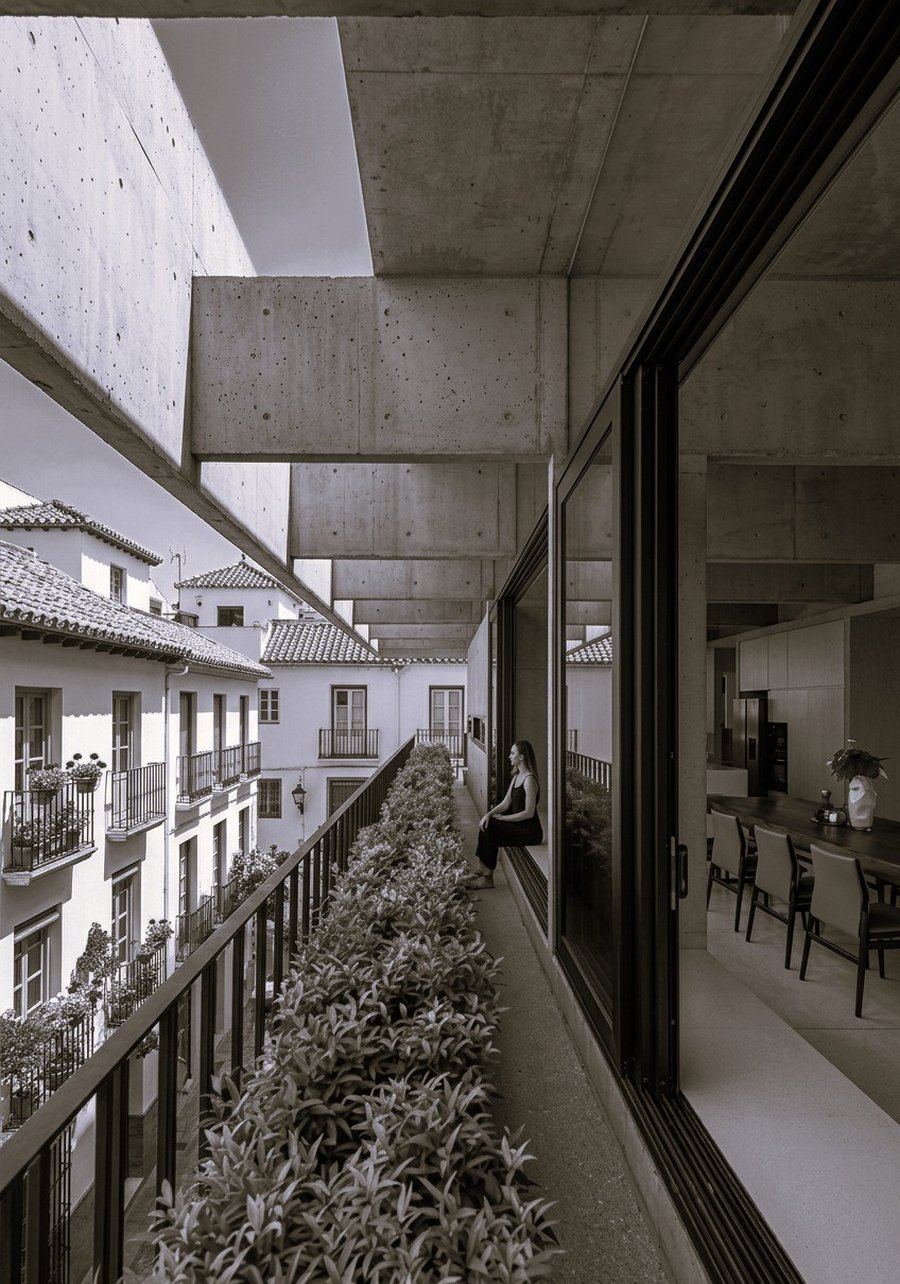
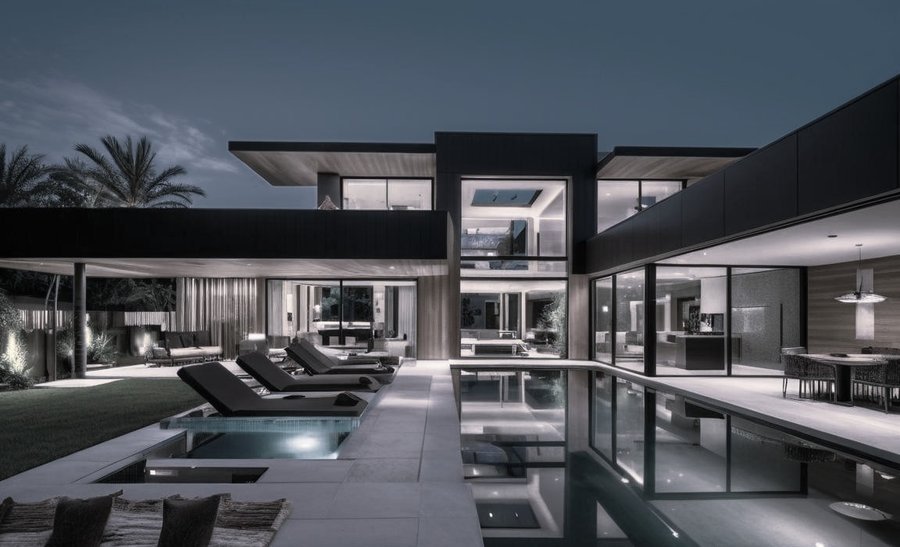
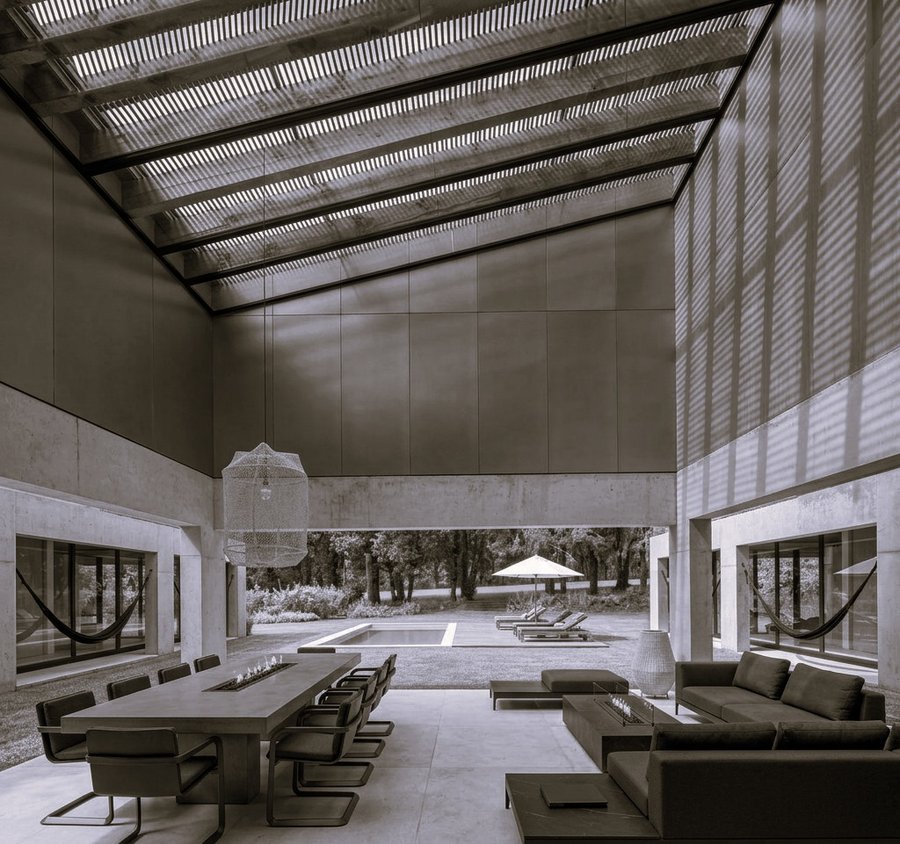
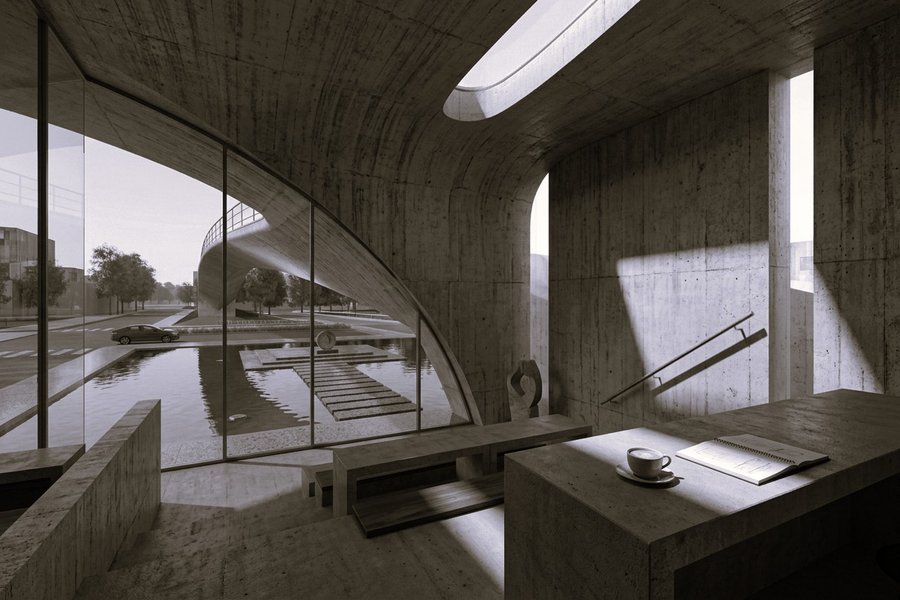
Four projects. Same method. See what changed.
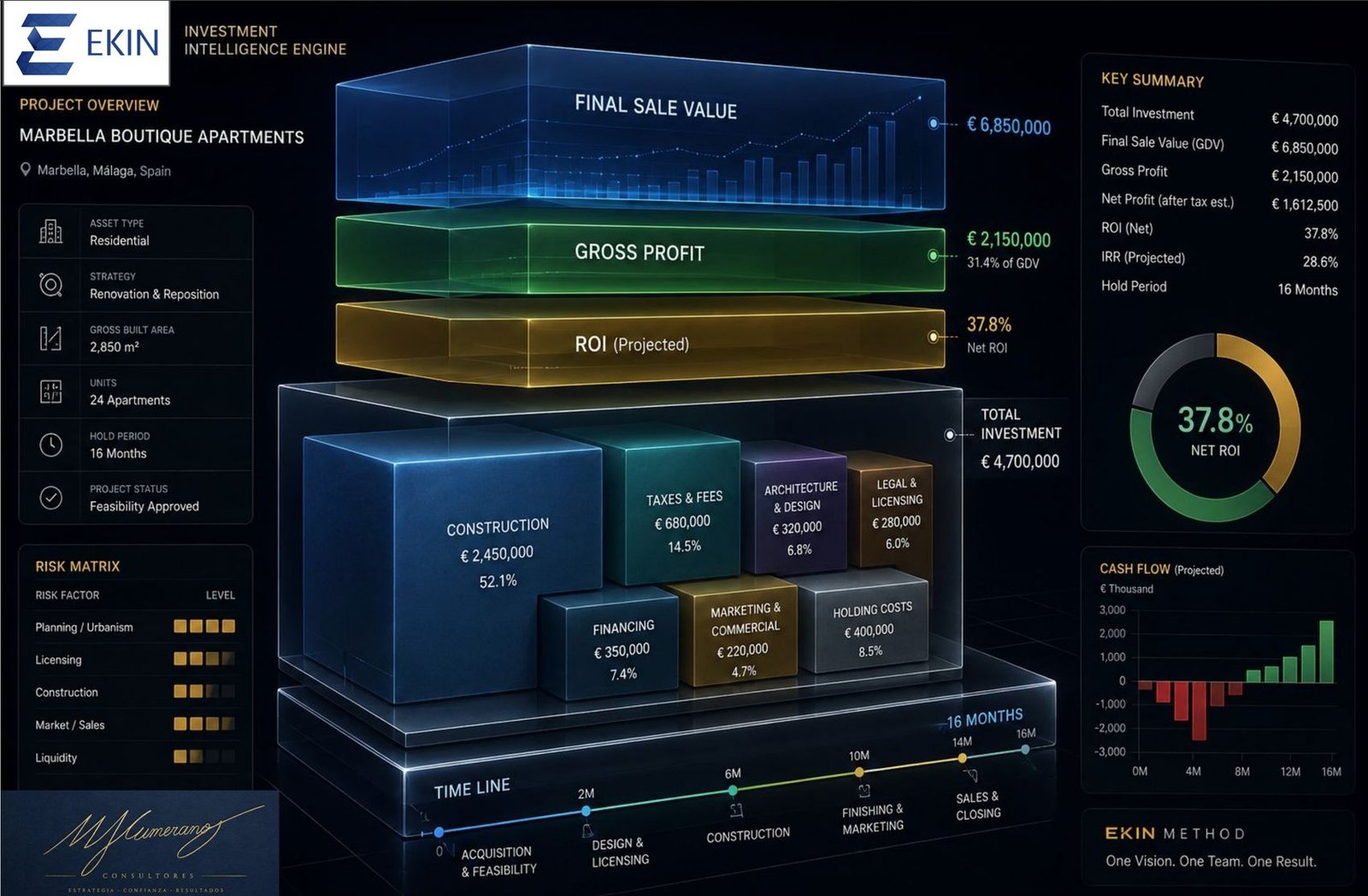
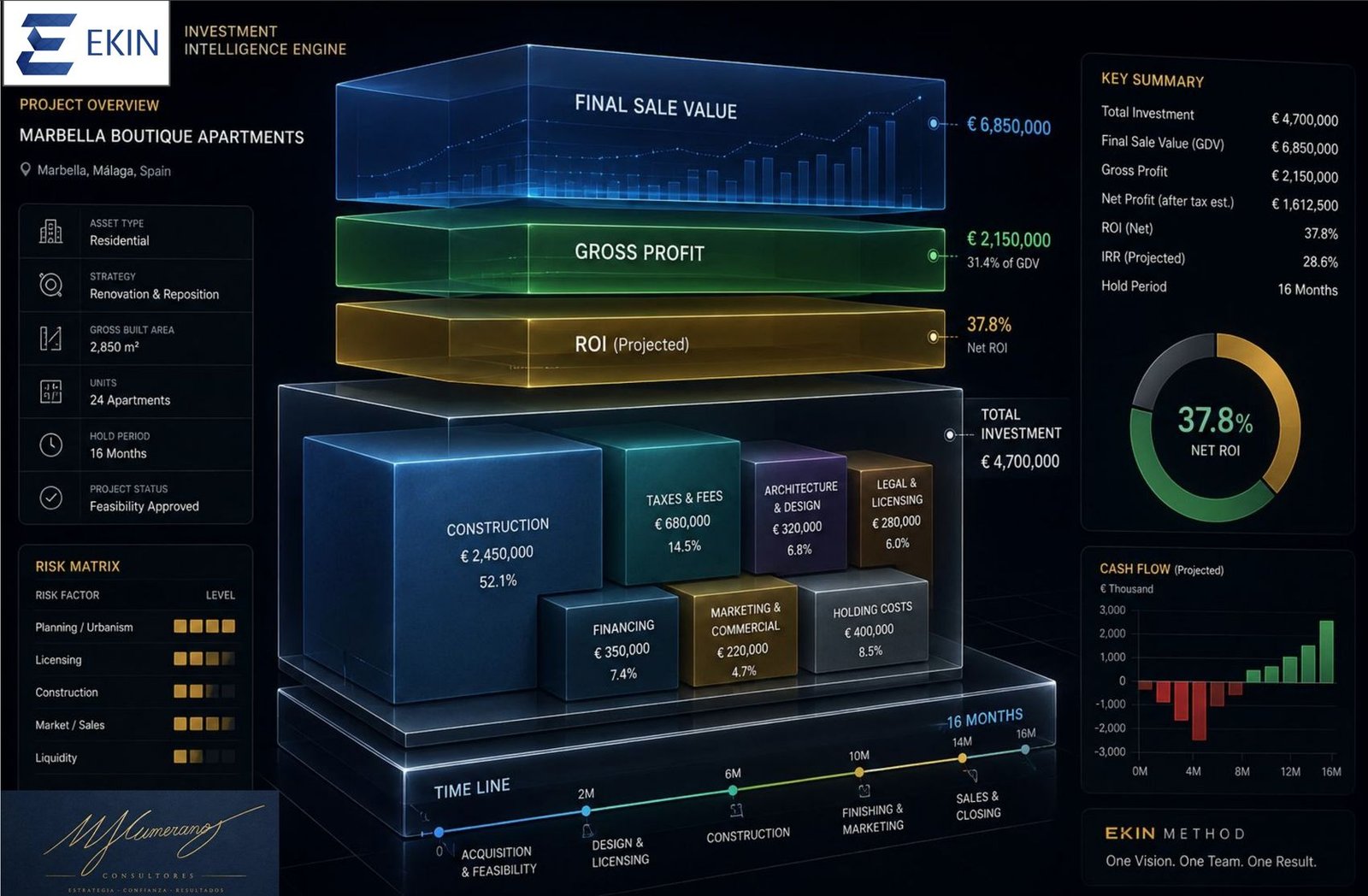
Every EKIN opportunity is run through the same live model, full cost, true ROI, IRR, risk exposure, and cash flow, before a single euro moves.
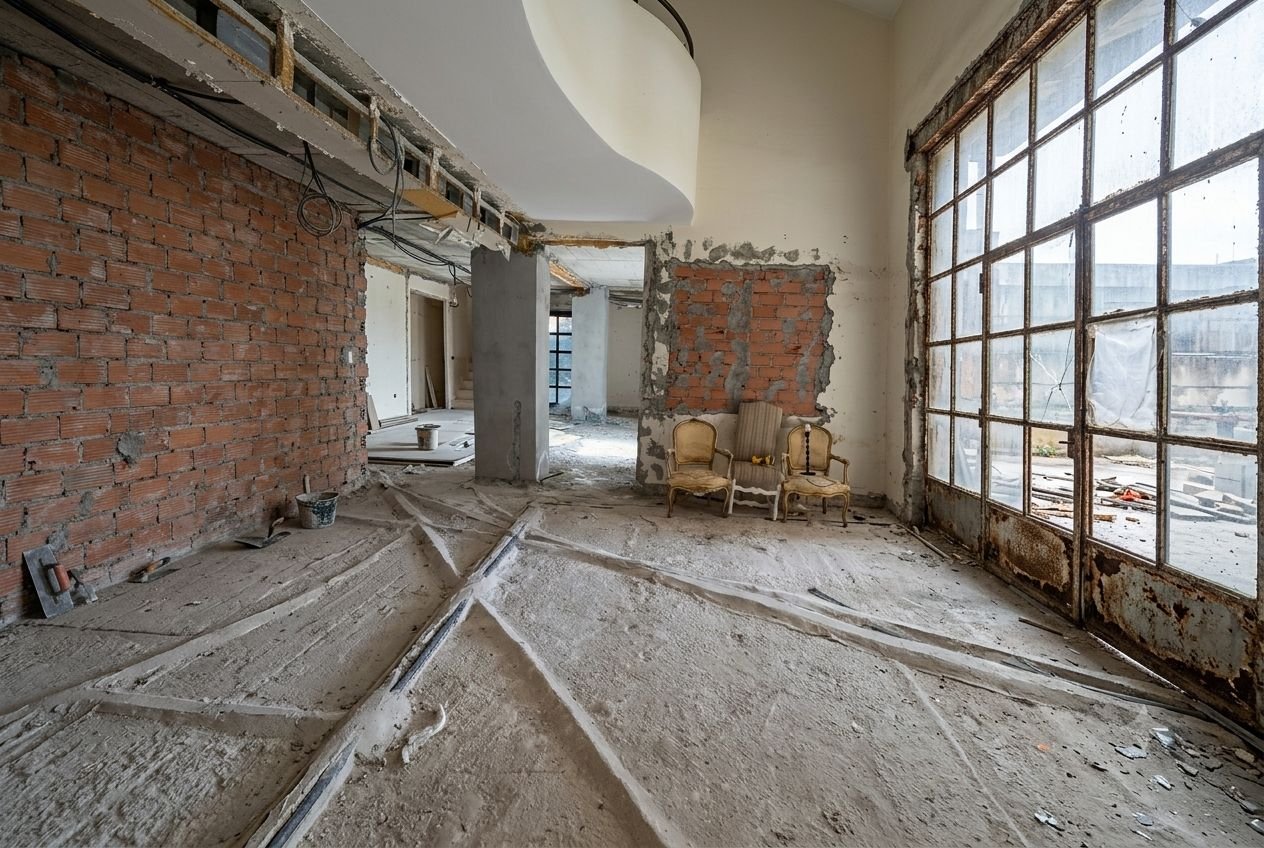
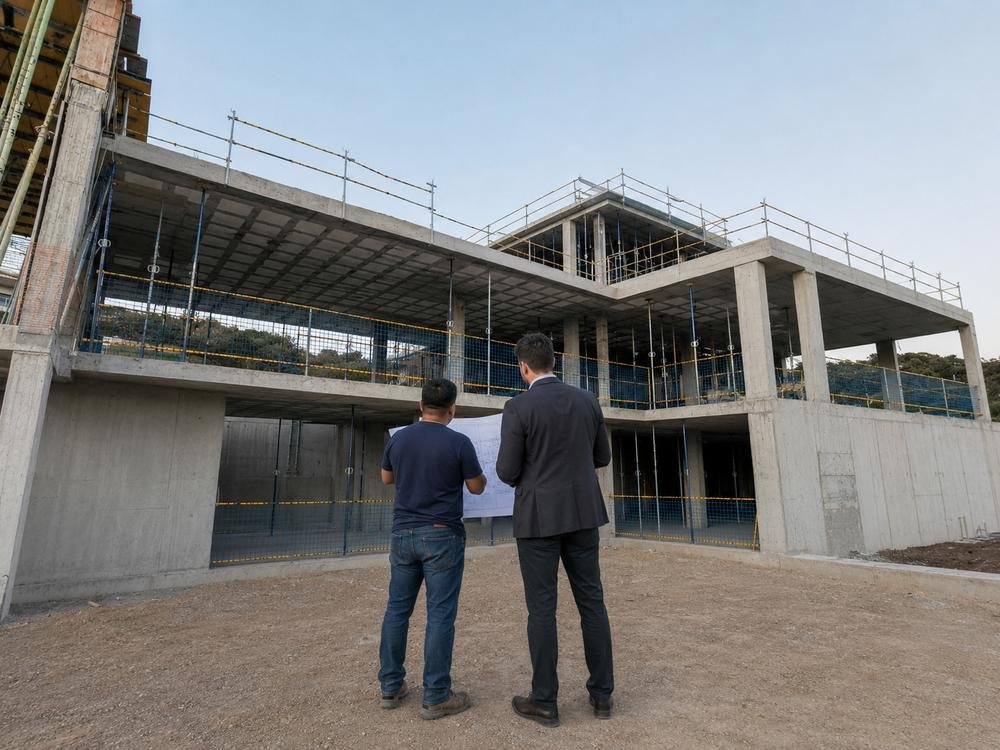
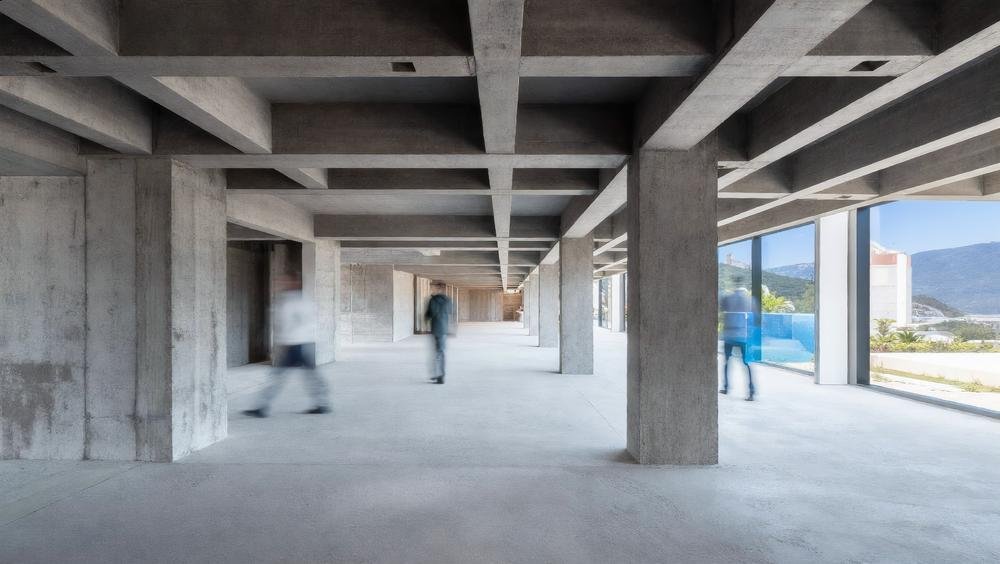
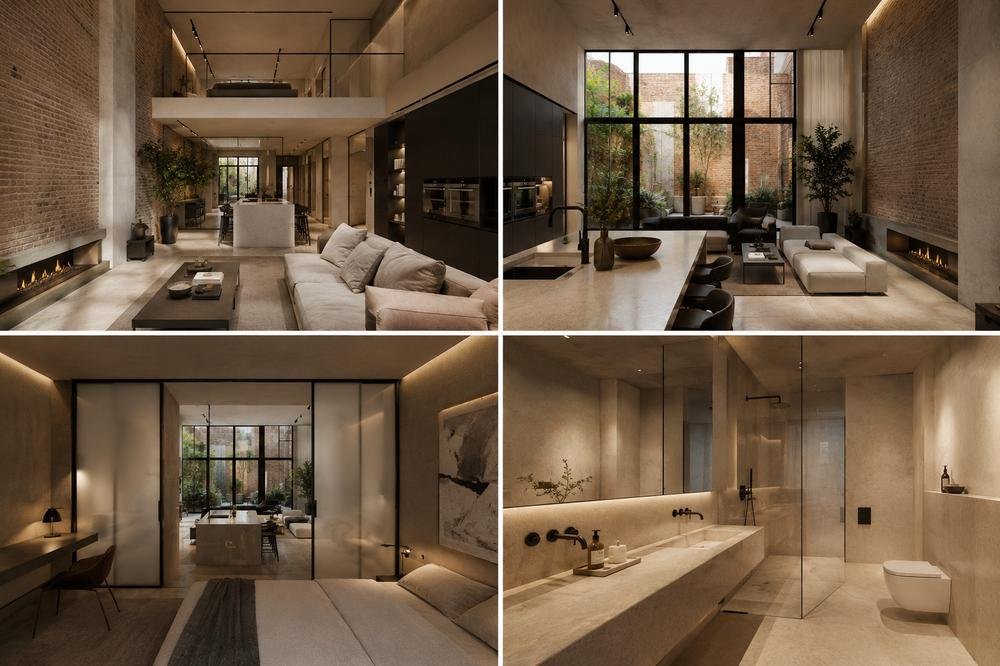
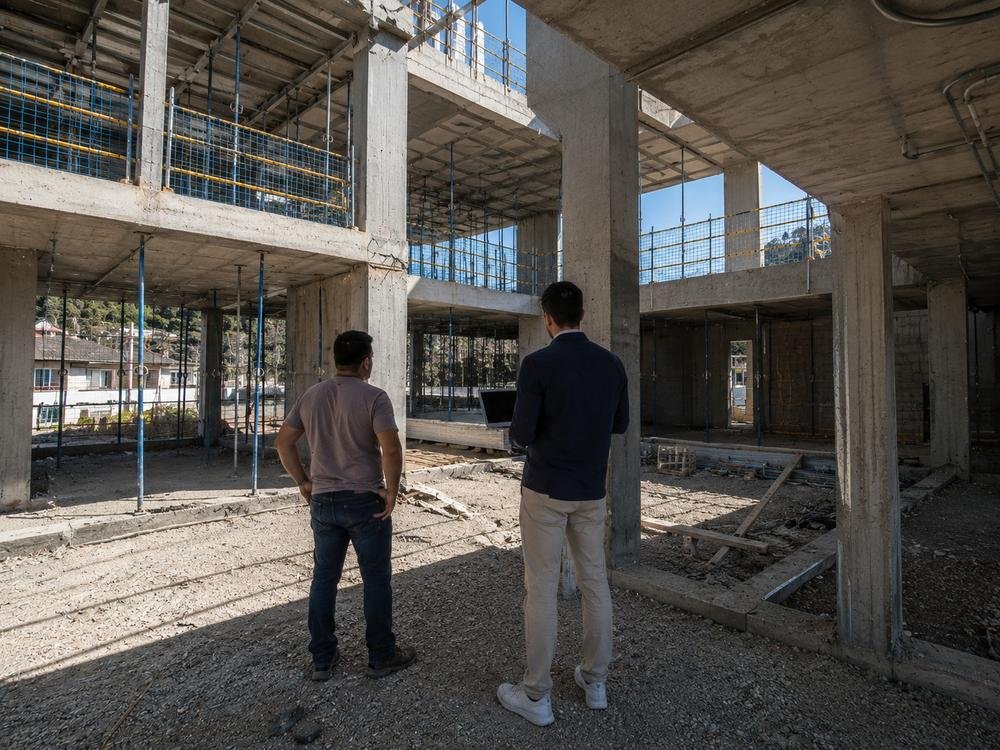
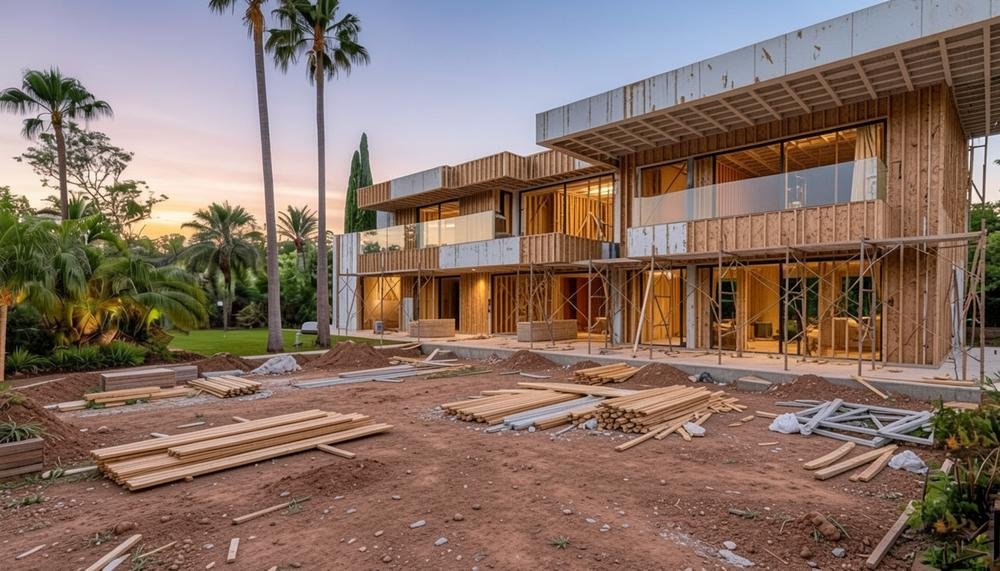
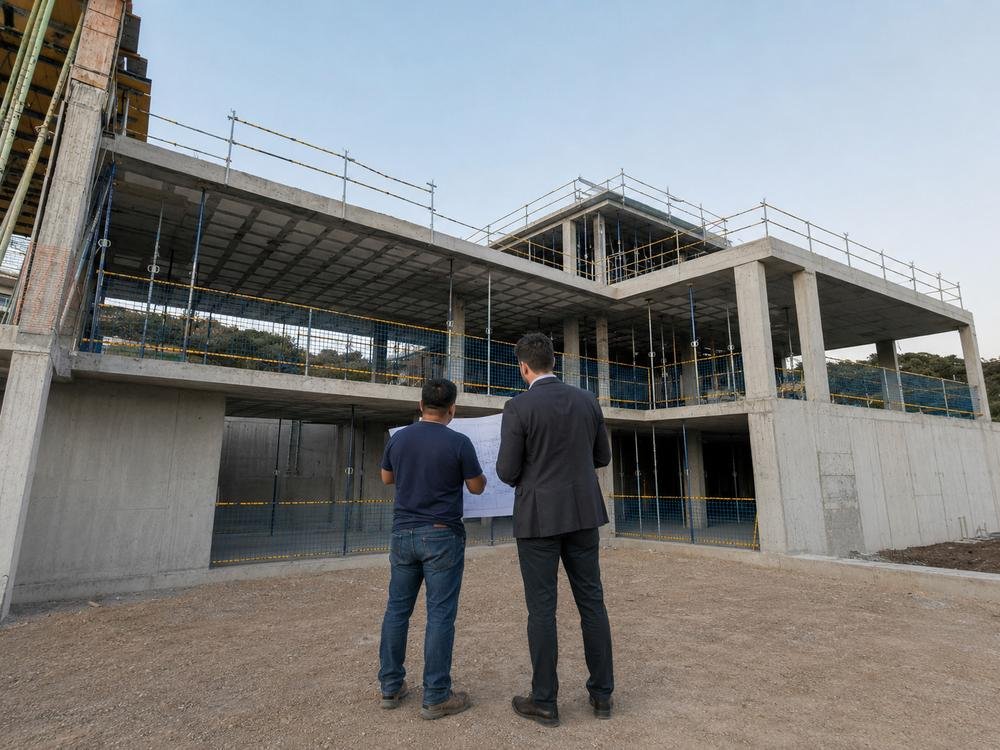
From sourcing and acquisition to due diligence, architecture, licensing and construction. We select and develop high-value properties in strategic locations, from land projects to move-in ready homes or investment properties.
01
02
03
04
05Request an Opportunity Assessment on your next investment, before you sign anything.
Request an Opportunity Assessment →
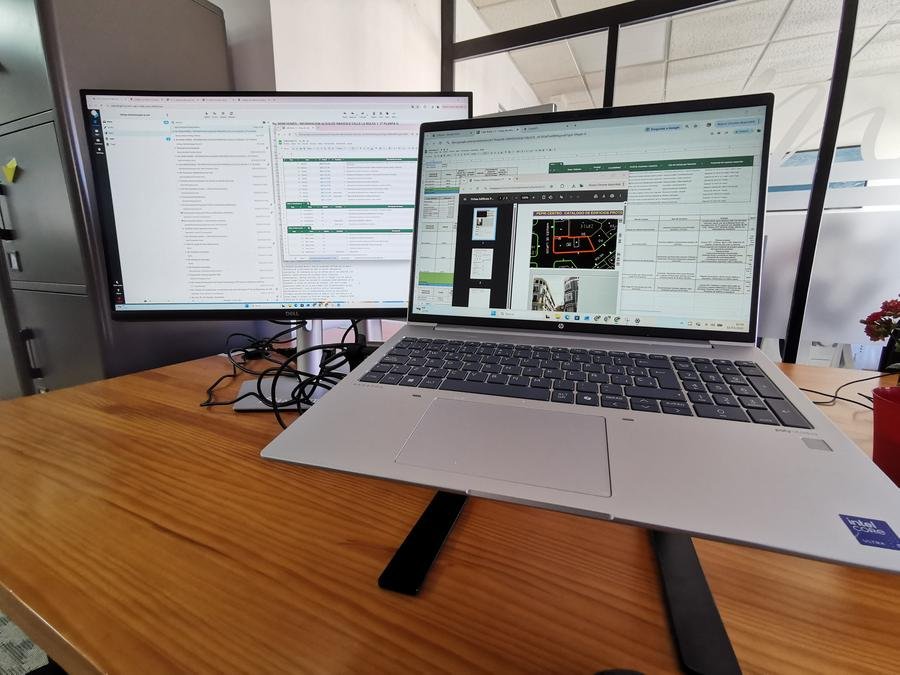
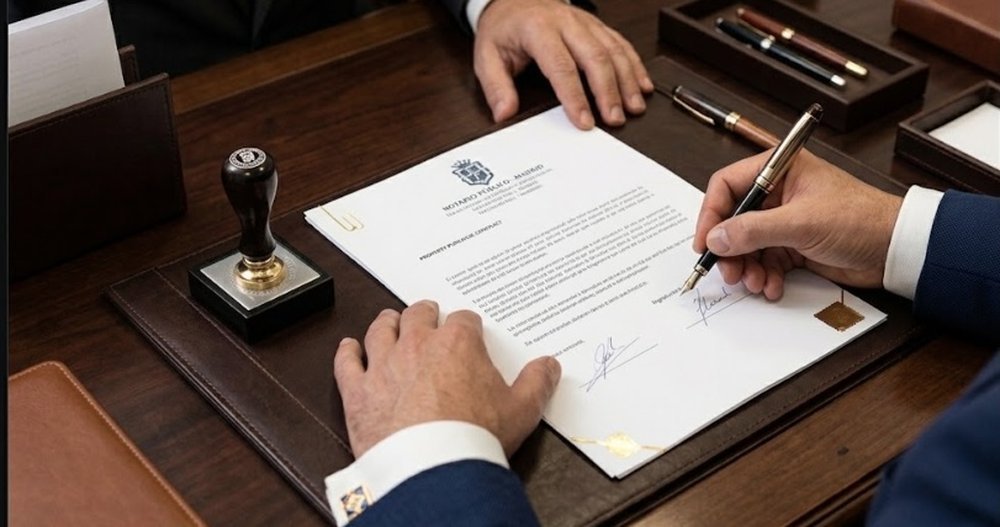
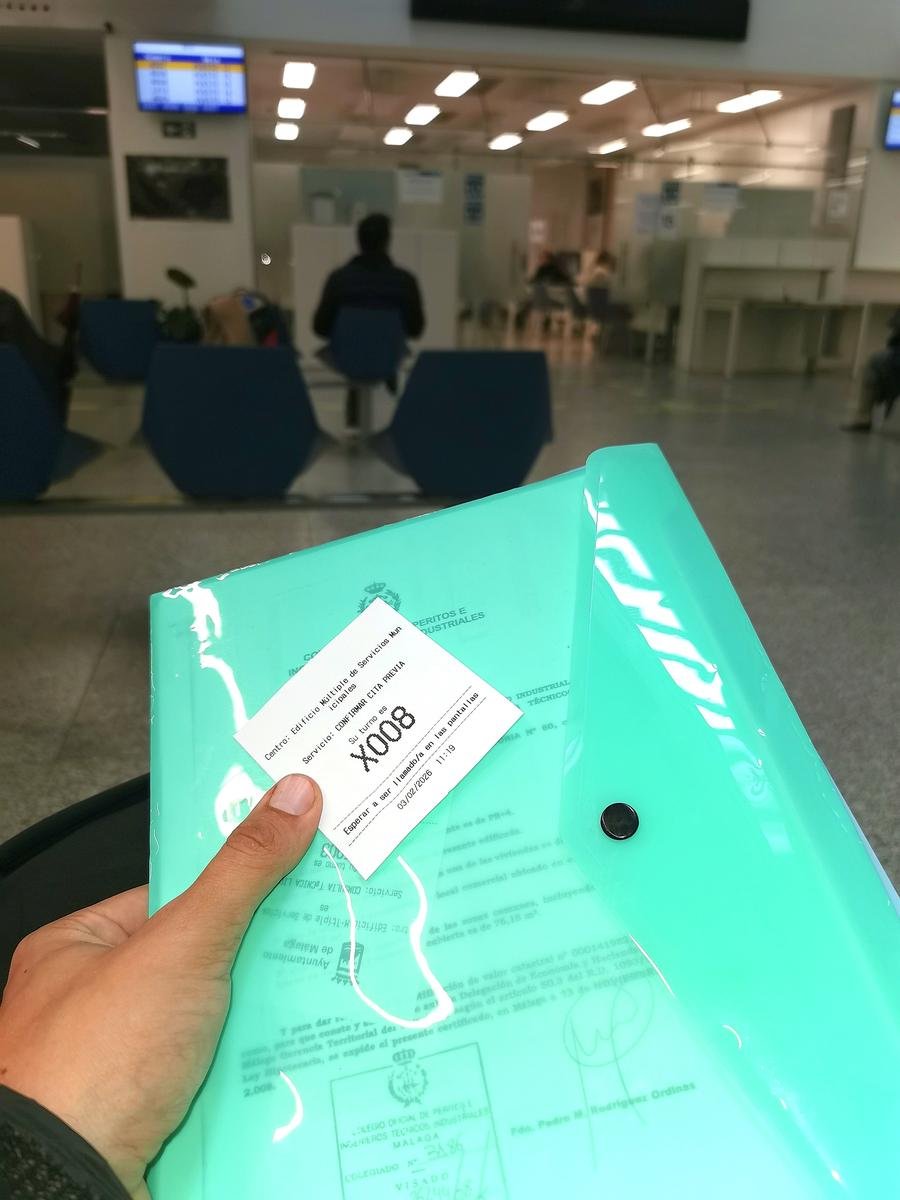
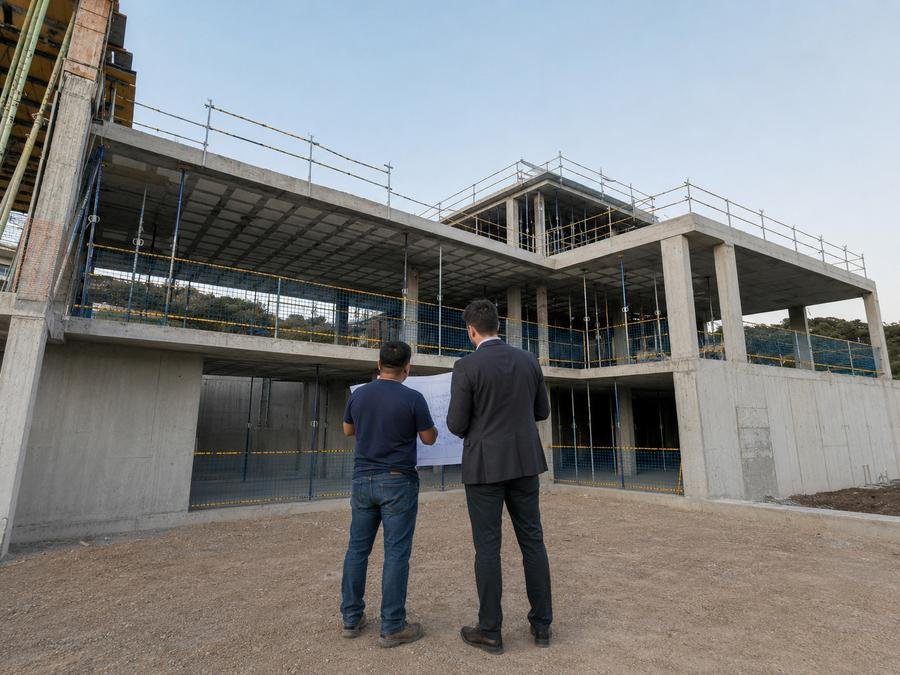
What changes is how deep you need us, and what problem keeps you up at night. Select your profile.
Not every investor is an EKIN client.
We work with private investors, family offices and development partners who have the capital, vision and ambition to create more than a profitable transaction.
We look for people who:
If we share these principles, we may have something exceptional to build together.
EKIN chooses its partners as carefully as it chooses its projects.
We also operate through a network of allied partners in select international markets, under bespoke engagement terms.
This advisory model is built for investors who value strategy over speed, not for those seeking only the lowest price or a single transactional sale.
Find Out If EKIN Is Right For You
"Exceptional projects are not created by chance. They are crafted through a unified Masterplan and the collective talent of minds aligned behind a singular vision."
We are caught in a centrifugal vortex where money and financial systems have continuously spun away from tangible value, from the abandonment of the gold standard to the debt securitization of 2008, through to the abstract valuations of the quantitative easing era. It is time to anchor ourselves back to reality and acquire true, tangible value.

“I don’t believe investors should have to choose between making money and creating something extraordinary.”
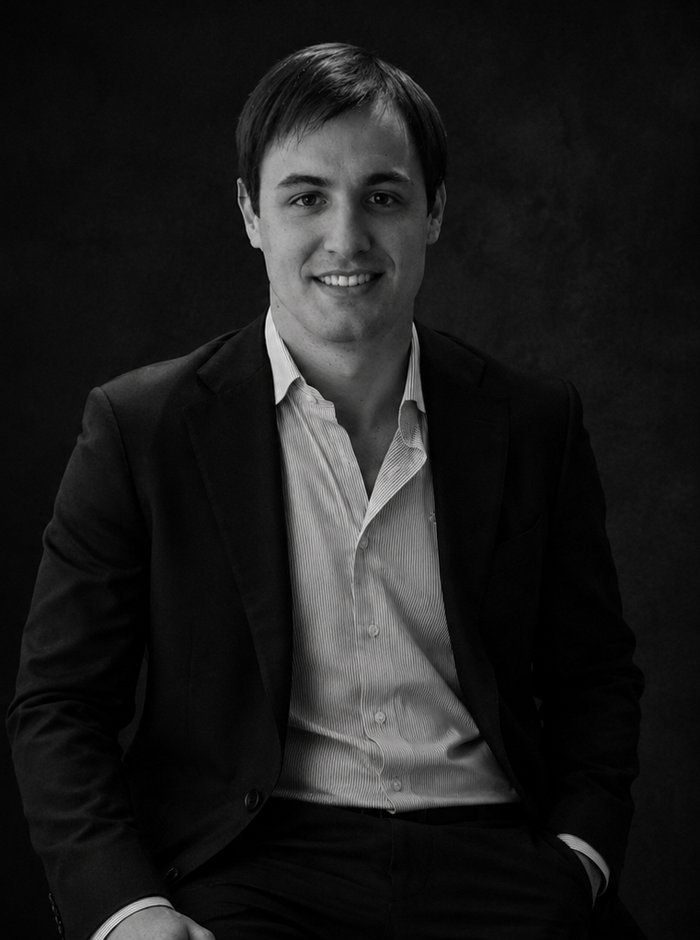
Rodrigo Camerano is an architect, urbanist and entrepreneur working at the intersection of real estate, architecture, urban development and investment.
His career did not begin in real estate.
It began in complexity.
Across Argentina, Australia, Japan, Thailand and Spain, Rodrigo has worked through architecture, public infrastructure, transportation, renewable energy and real estate, learning how different industries, regulations, cultures and teams turn complex ideas into physical reality.
That experience has accumulated into something difficult to put into a conventional job title: the ability to see a project as a system.
Not simply a building.
Not simply an investment.
Not simply a piece of land.
But the relationship between location, planning, architecture, construction, capital, people, experience, demand and time.
His work to date encompasses more than:
Across projects involving organisations including METKA EGN, Coles Group, Lightsource bp, Sterling and Wilson Solar, Solgen Energy Group, X-Elio, Tohoku Electric Power Co., BMD Constructions, ADIF S.E., Siemens, Pensaer S.A. and the Inter-American Development Bank.
He has also led and coordinated multidisciplinary environments involving 60+ people simultaneously, negotiating and communicating across government authorities, developers, investors, private companies, technical teams, contractors and workers.
But Rodrigo does not consider these numbers the most important part of his experience.
They are evidence of something else:
scale.
complexity.
responsibility.
execution.

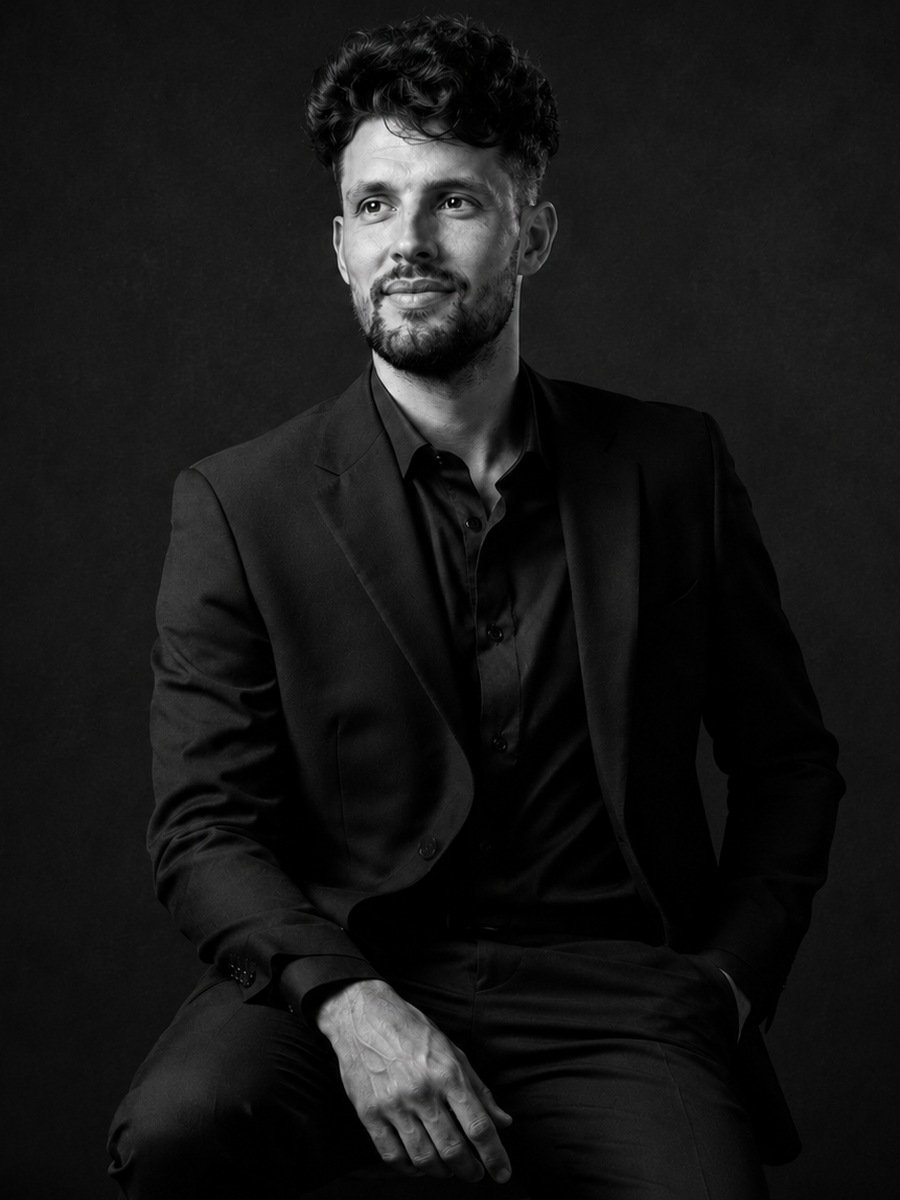
Mauro leads architecture at EKIN with a conviction the industry rarely states outright: design is not a cost to manage. It is where the largest share of a property's value is created, or left on the table.
He studied architecture at the Universidad Nacional de La Plata (UNLP), graduating with the Premio Joaquín V. González for the highest academic average of his class, and completed postgraduate studies at the Universidad Complutense de Madrid.
His position is direct: good architecture is not judged only by how well it functions. It is judged by whether it becomes something people recognise, remember, and are willing to pay a premium to own. A building can be structurally sound, code-compliant, and perfectly efficient, and still add nothing beyond the cost of its materials. Sculptural architecture, done with intent, adds a different kind of value entirely.
Consider the Guggenheim Museum in Bilbao. Frank Gehry did not simply design a building that housed art well. He designed a form so singular that it became the reason people travel to the city. Strip away the architecture, and what remains is a mid-sized site in a mid-sized Spanish port city. The building itself, the sculpture Gehry created, is what turned it into one of the most visited cultural landmarks in Europe, and reshaped the value of an entire district around it.
That is the question Mauro asks of every EKIN project before a single line is drawn: does this asset's value come from its materials, its location, or its square footage, or from the value design itself is about to add to it?
The work has received recognition through national and international architectural competitions, spanning architecture, urban design, public space, infrastructure and territorial regeneration.

Where architectural opportunity meets the reality of local planning, regulation and administration.
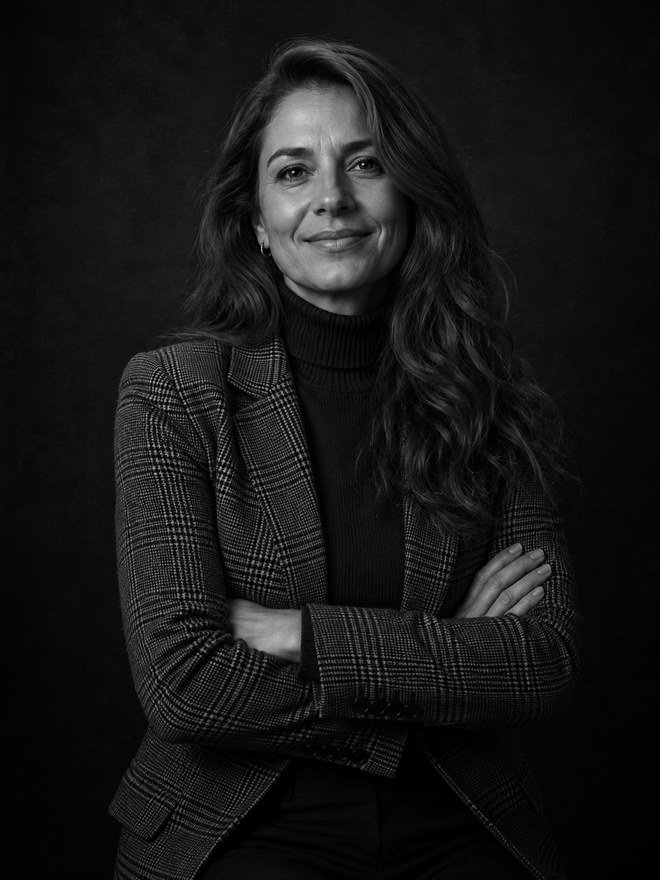
Silvia works at the point where architectural opportunity meets the reality of local planning, regulations and administration. Her strength is understanding how a project can be developed within the complex framework of local regulations, identifying what is possible, what can be optimised, and where a conventional reading of the rules may leave value unexplored.
She studied architecture at the Escuela Técnica Superior de Arquitectura de Sevilla and has built her career around architectural projects, residential development, technical documentation and the relationship between private projects and local administrations, covering the complete process from initial analysis and client requirements through basic and execution projects, technical reports, valuations and certifications, to construction coordination, regulatory compliance and licensing.
Her real value lies beyond documentation. Silvia approaches regulation as part of the design problem. Rather than asking only "What does the regulation allow?", she asks "Given what the regulation allows, what is the highest-value project we can actually make happen?", a distinction that can determine whether an opportunity remains ordinary or becomes viable.
Within EKIN, Silvia provides something often underestimated in real estate investment: the ability to distinguish between what appears impossible, what is technically possible, and what can realistically be approved and built.

A property is not experienced through its square metres, but through the way those square metres make people feel.
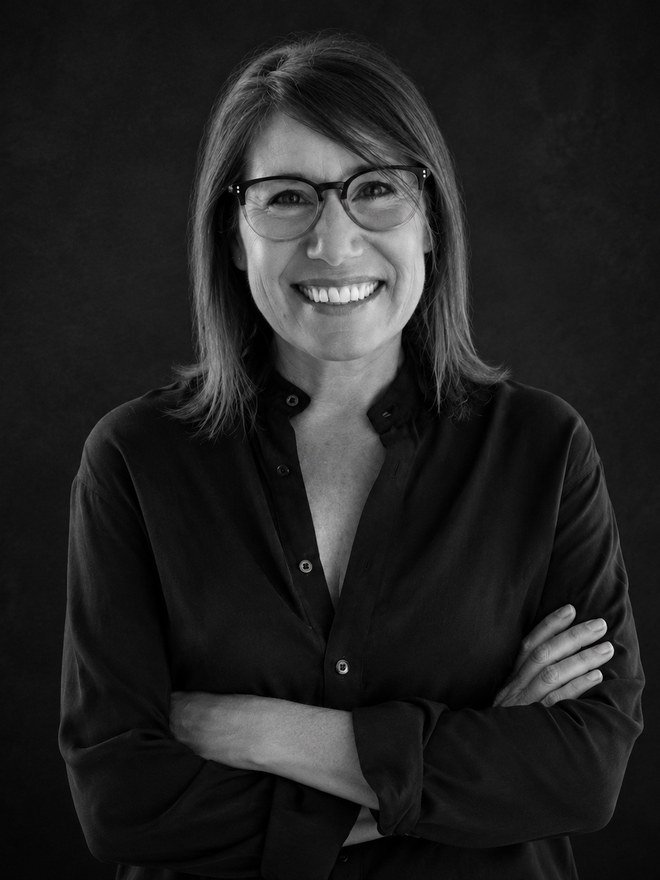
Carolina leads interior architecture and spatial experience at EKIN. Her work sits at the intersection of architecture, interior design and wellbeing, with a focus on residential spaces where materiality, light, proportion, atmosphere and sensory perception become part of the value proposition of the asset.
At the centre of her approach is the concept of Einfühlung, the idea that architecture is not simply observed, but emotionally and physically experienced. Two properties can have identical surfaces, identical construction costs and even similar locations, yet generate completely different perceptions of value. The difference often lies in what happens between the walls.
Her background combines architecture with postgraduate specialisation in interior design at the Universitat Politècnica de Catalunya and more than two decades working across residential, commercial, hospitality and renovation projects, including project and construction management, quality control and post-sale coordination, an understanding of the complete journey from concept to inhabitation.
Her role within EKIN is to ask a question conventional property analysis often overlooks: what will make someone not only want to buy this property, but want to live in it?

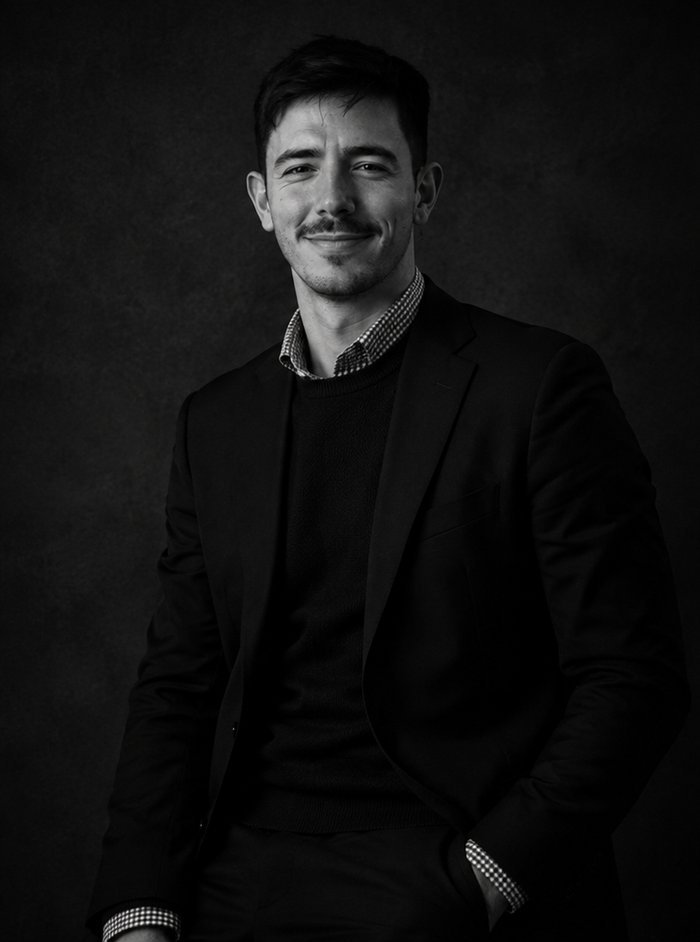
Gabriel is a designer with a builder's sense of a project's real numbers, not just how a space should look, but what it costs to get there. His experience spans the full execution of residential projects, including material and labour budgeting and quantity take-offs, the discipline that keeps a design honest against what it will actually cost to build.
That range comes from many years working as designer and site manager on residential projects across Europe and Latin America, a breadth that gives him a comparative eye few architects develop: he's seen how the same design decision plays out under different climates, building cultures, and cost structures.
Sustainability is part of how EKIN evaluates every project, and Gabriel is where that commitment becomes technical rather than aspirational. His specialisation is passive architecture in timber, light-frame construction and CLT (cross-laminated timber), built to Passivhaus and near-zero-energy standards, where every thermal bridge, every joint, and every layer has to perform, not just look finished. For clients who want their investment to reflect an environmental and ecological conscience, Gabriel is who EKIN brings in to make that real: engineered performance, not a materials list.
His conviction is backed by published research, not just preference. Studies from the University of British Columbia and FPInnovations, Austria's Joanneum Research, and Chiba University in Japan have independently shown that visual and physical contact with timber measurably lowers the body's stress response, steadies heart rate, and calms the nervous system in ways few other materials do.
For EKIN, that becomes a practical argument, not only an aesthetic one: timber regulates humidity and air quality, feels warm to the touch without absorbing heat, restores mental focus after use, and supports better sleep through the natural compounds untreated woods like cedar and pine release. Where Mauro asks what a building's form is worth, Gabriel asks what its materials are worth to the person living inside it.
Before you can create value in a place,
you need to understand how that place works.
Rodrigo has led and coordinated multidisciplinary projects involving government institutions, private companies, international developers and technical teams. His previous experience includes national government infrastructure work in Argentina, utility-scale renewable energy projects in Australia and Japan, and projects involving international institutions and private-sector stakeholders, with execution experience on projects valued up to USD 200M+.
Rodrigo's experience with geospatial analysis and QGIS in the renewable energy sector shaped a different way of looking at investment. Today, that spatial intelligence is applied to real estate through EKIN's Smart Investment Mapping approach, analysing territory, market dynamics, infrastructure, planning conditions and future development to understand where hidden value may emerge.
Rodrigo believes the real estate industry often creates a false choice: spend less and make more money, or spend more and create something exceptional. He doesn't accept that those have to be opposites. He calls his approach Elevated Ambition.
The idea is simple. Better architecture can also produce better economics. Understanding the user more deeply can create stronger demand. Exceptional materials can add durability and market positioning. A more intelligent floor plan can improve both experience and operating costs. An iconic architectural proposition can allow a project to command a fundamentally different price. The quality of the people involved can become part of the value of the asset.
The objective is not to make projects unnecessarily expensive.
It is to understand where excellence creates economic leverage.
Rodrigo is not interested in working with people whose only objective is to buy, renovate and sell. He wants to work with investors and developers who want financial performance, but also architectural quality. Economic value, but also cultural or urban value. A successful exit, but also a project they are proud to have created.
People who want to experiment. People who enjoy the process. People who want to create something that can become an icon.
For those clients, EKIN becomes more than an advisory practice.
It becomes a way of assembling the right intelligence and talent around capital to transform what exists into something better.
Economic value is the first objective. But it is not the only layer of value.
Every time an existing building is transformed, an underperforming asset is repositioned, or a site is developed intelligently, we are also transforming the physical world we all inhabit. The outcome can therefore extend beyond financial performance: better buildings, better uses of land, better places, better neighbourhoods. When investment creates value for the investor while improving the built environment itself, both outcomes reinforce each other.
Profit can be the measure of an investment.
Progress can be part of its legacy.
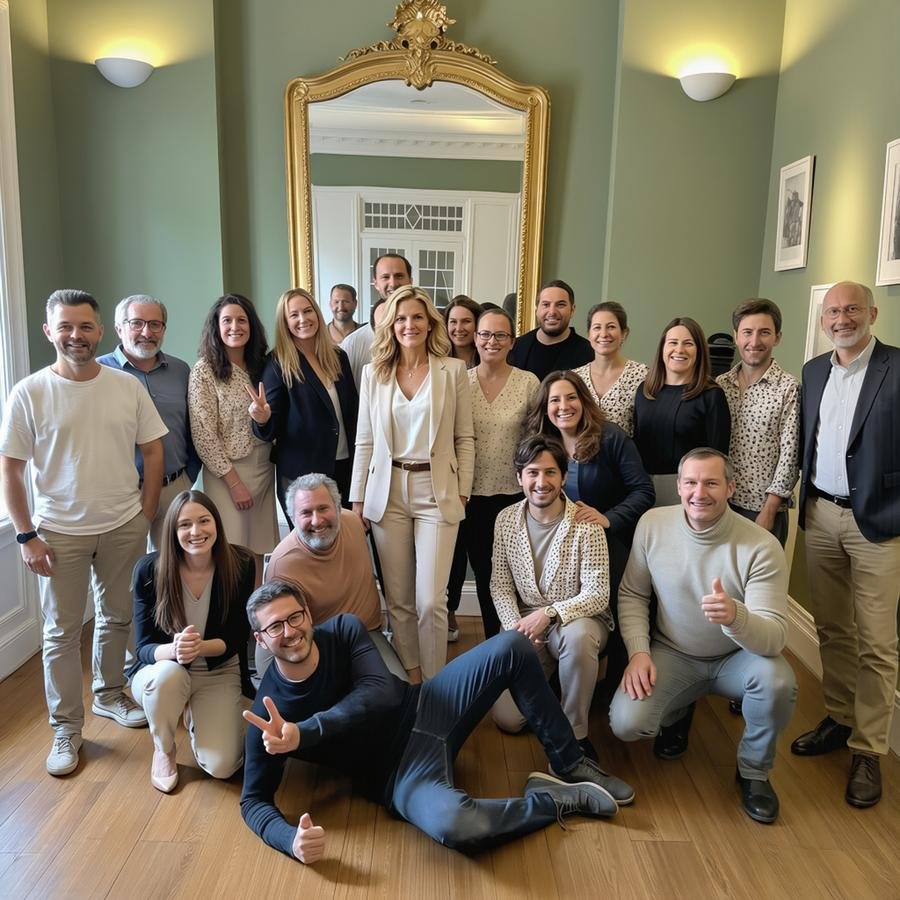
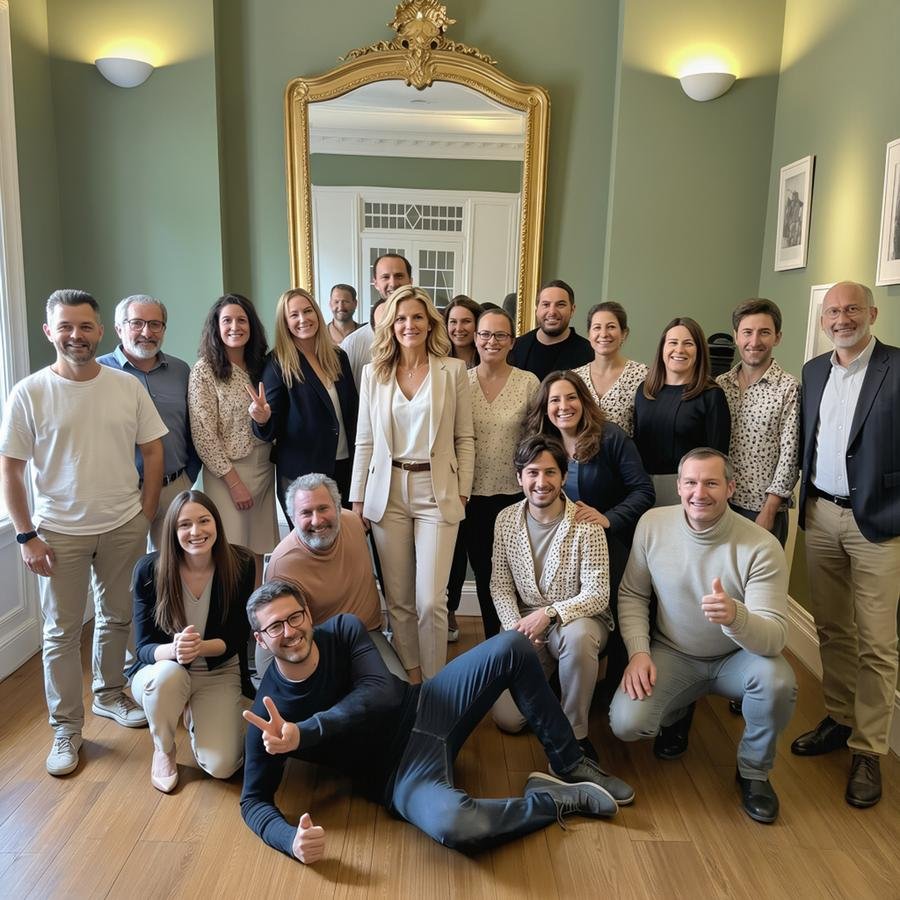
EKIN is a boutique strategic advisory firm specialized in discovering, structuring and developing high-value real estate opportunities. Unlike traditional agencies, architectural studios or project managers, EKIN operates as an intelligence hub that integrates strategy, technical expertise, market knowledge and execution, one team, present in every phase, accountable for the outcome.

While EKIN's core team is built around architects, urbanists and entrepreneurs, we recognise the external real estate agent channel as an important part of the engine. We work closely with people across the sector who bring off-market intelligence to the table, and who often handle the final phase of commercialisation and sale, once a project is ready to reach the market.
"We don't decorate buildings. We decide, before anything is drawn, what a building is for."
Architecture at EKIN is not a single discipline practised by a single person. It is five ways of asking the same question, does this space create value, or merely occupy it, applied together on every project.
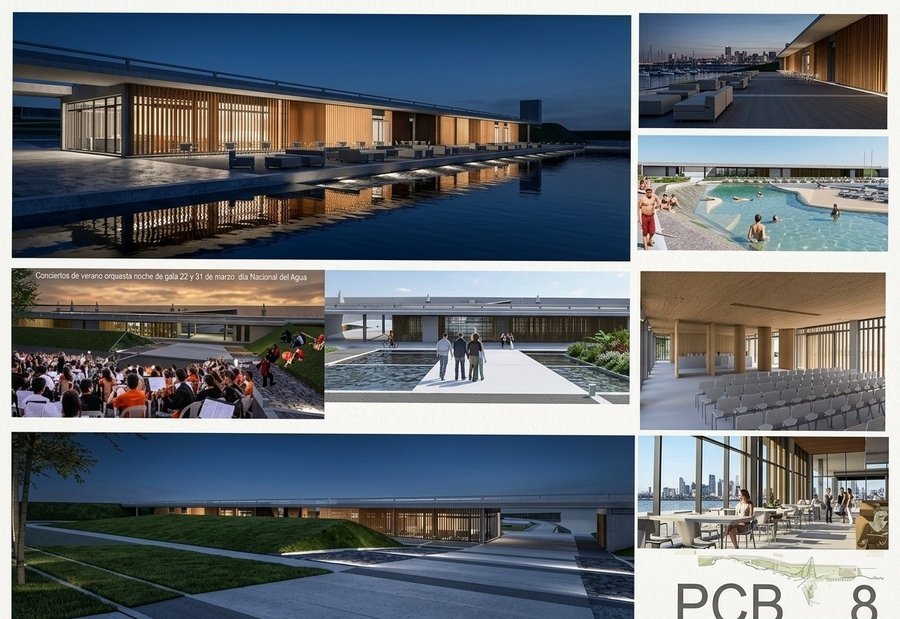
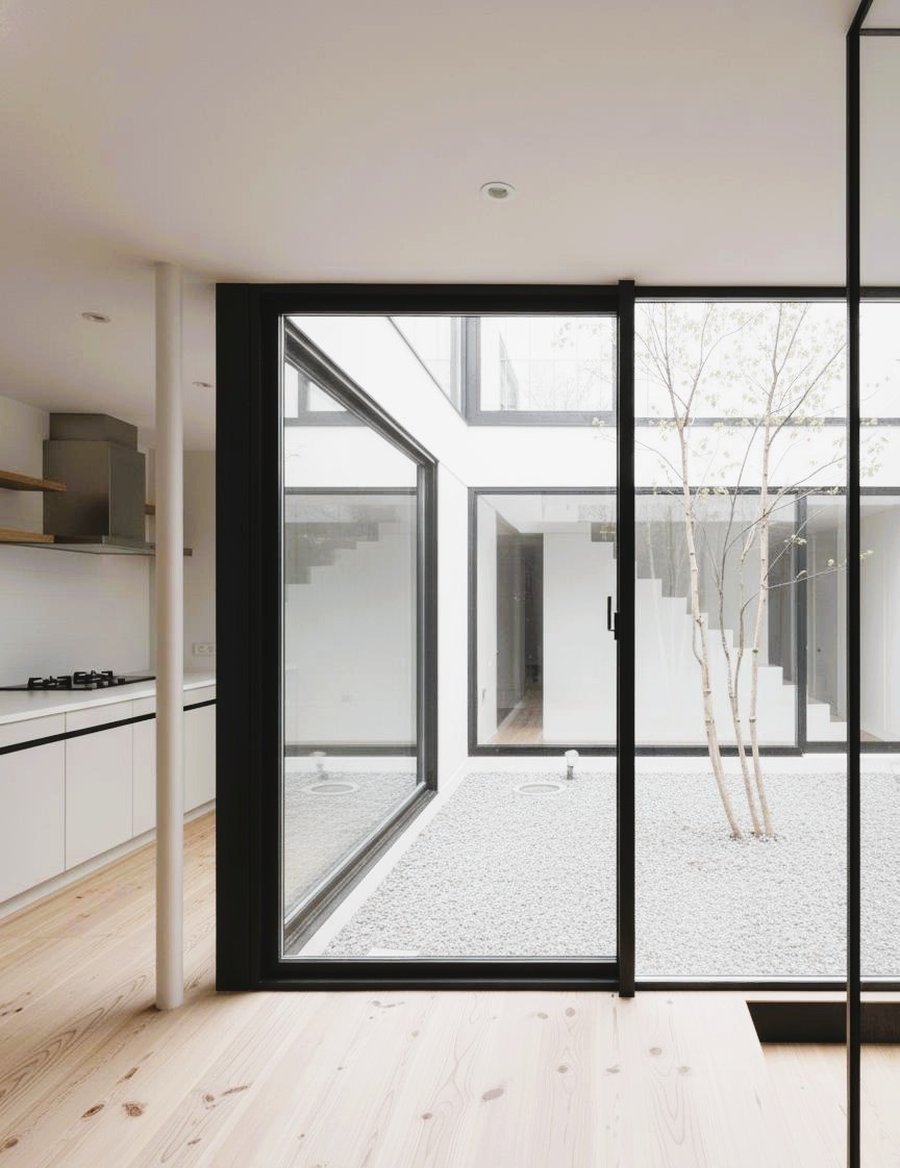
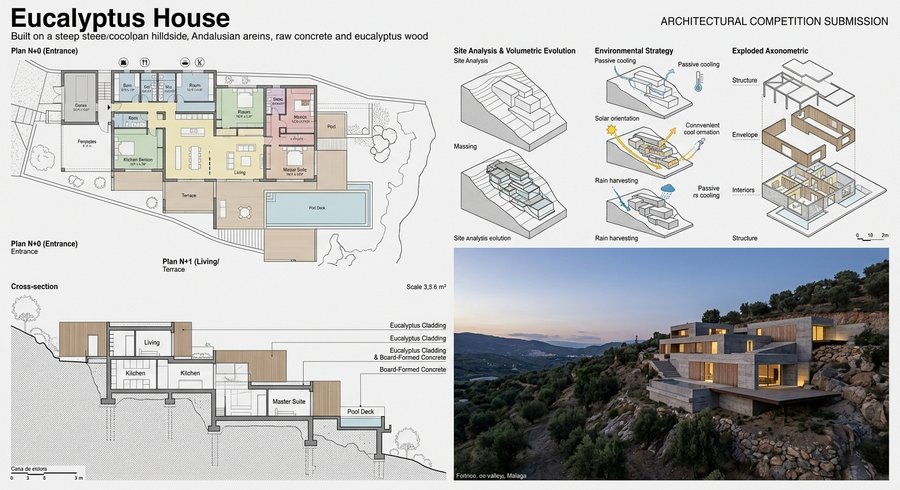
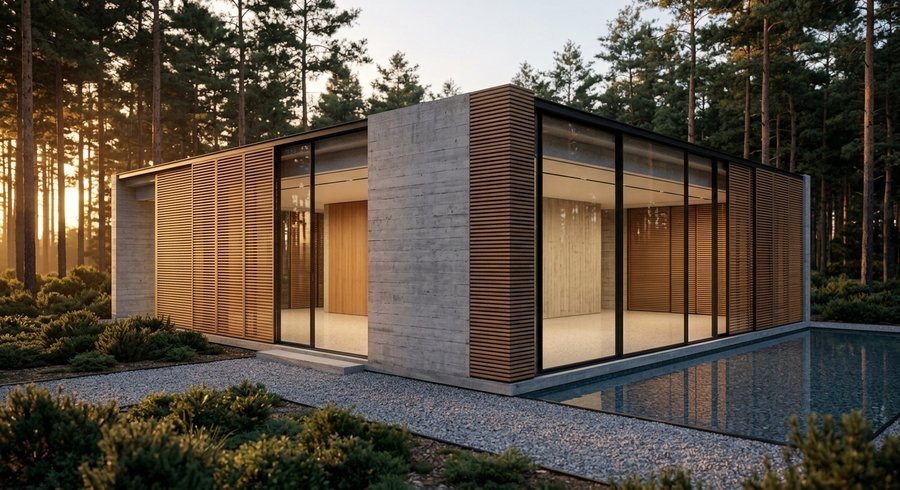
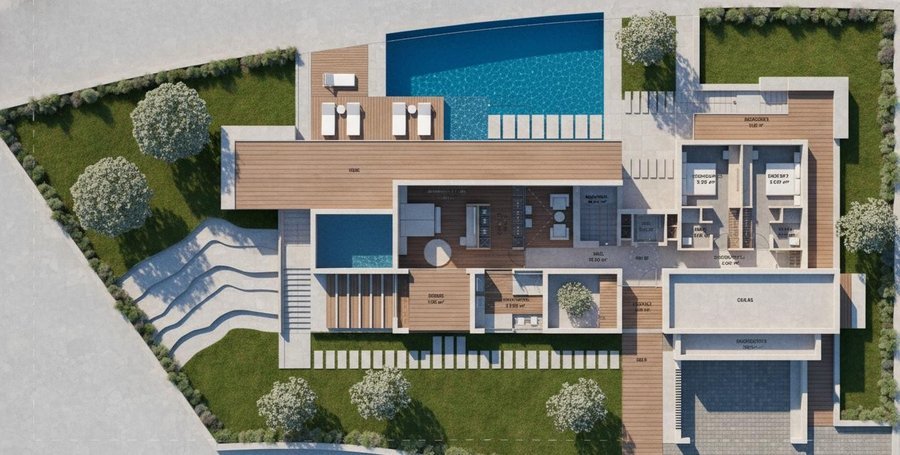
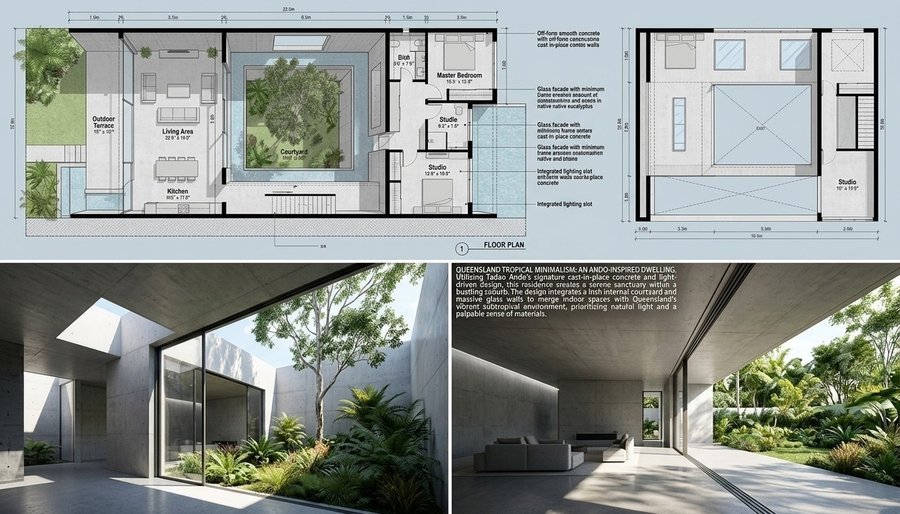
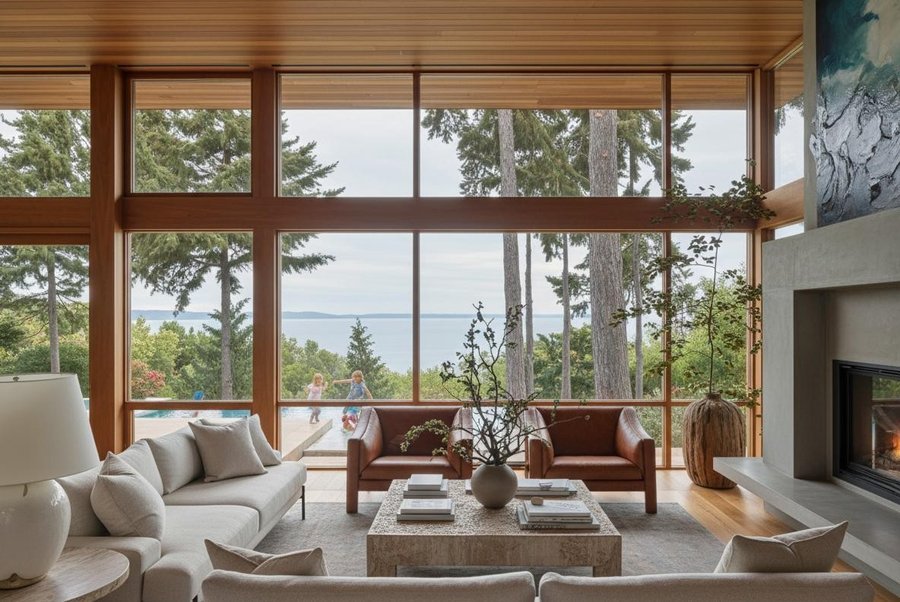
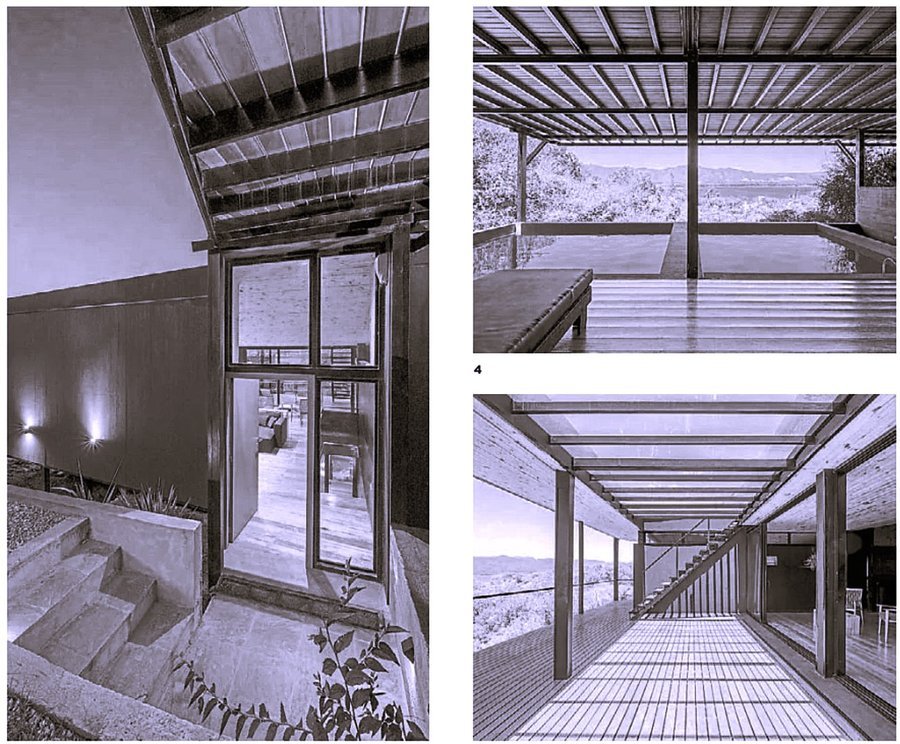
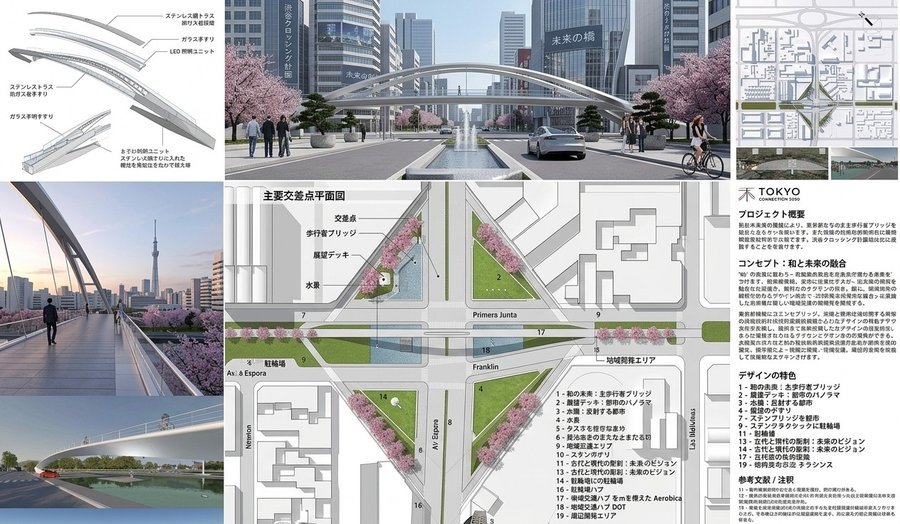
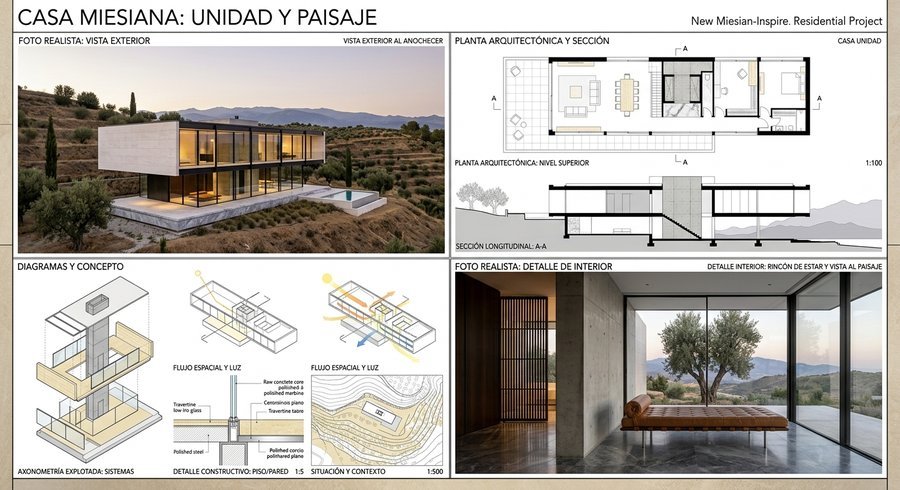
The references EKIN's architects return to, competition submissions, built work and material studies, spanning concrete, timber and light across Andalusia, Argentina and beyond.
Competition submission, full board
Urban waterfront, competition board
Urban infrastructure, competition board
Casa Miesiana, unity and landscape